 01
“The Client Had a Bad Day” Is Not a Session Note
How to write professional RBT session notes that show the teaching, the support, and the response—with practical examples and clear prompt levels.
Read article → LATEST DROP
RBT CLINICAL SKILLS · OCT 5, 2026
How to write professional RBT session notes that show the teaching, the support, and the response—with practical examples and clear prompt levels.
Read the full article →FROM THE OTB DESK
15 articles ready when you are.
01How to write professional RBT session notes that show the teaching, the support, and the response—with practical examples and clear prompt levels.
Read article → 02
When the session, the note, and the claim tell different stories, it deserves a closer look. Why OTB is bringing fraud, waste, and abuse into our October monthly PDU release.
Read article → 03
What counts, who pays, when staff can learn—and why your BCBAs do not have to build every course. A practical PDU plan for ABA companies.
Read article →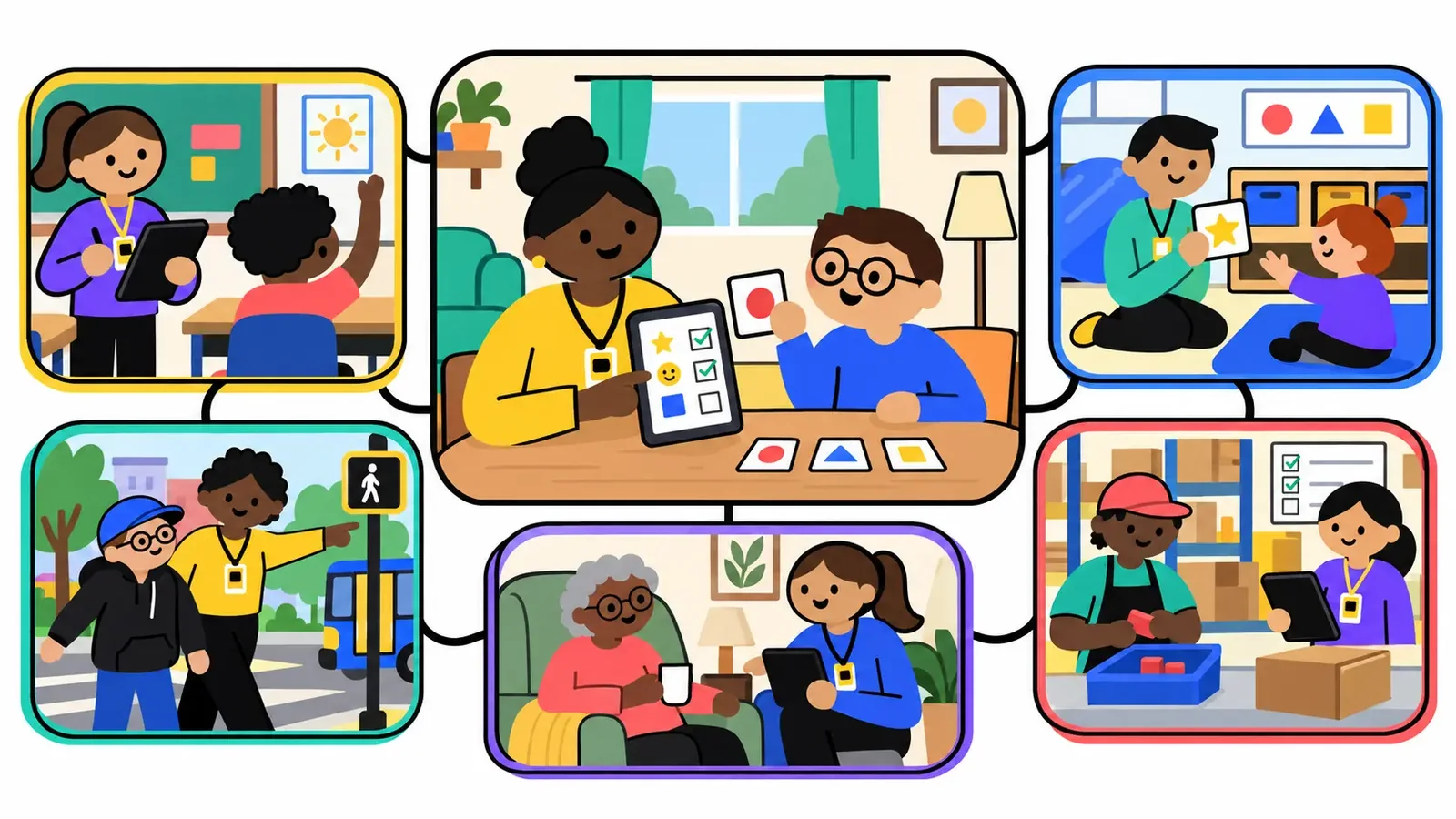 04
A behavior intervention plan can make sense on paper and still feel different in the room. See how realistic simulation helps future technicians practice reading, responding, collecting data, and knowing when to seek support.
Read article → 05
Finished—or almost finished—with the 40-hour training? Here is the real roadmap from competency and exam preparation to supervision, strong first sessions, and continued growth.
Read article → 06
If staff treat training like a checkbox, who taught them to? See how agency systems shape whether learning reaches the workplace.
Read article →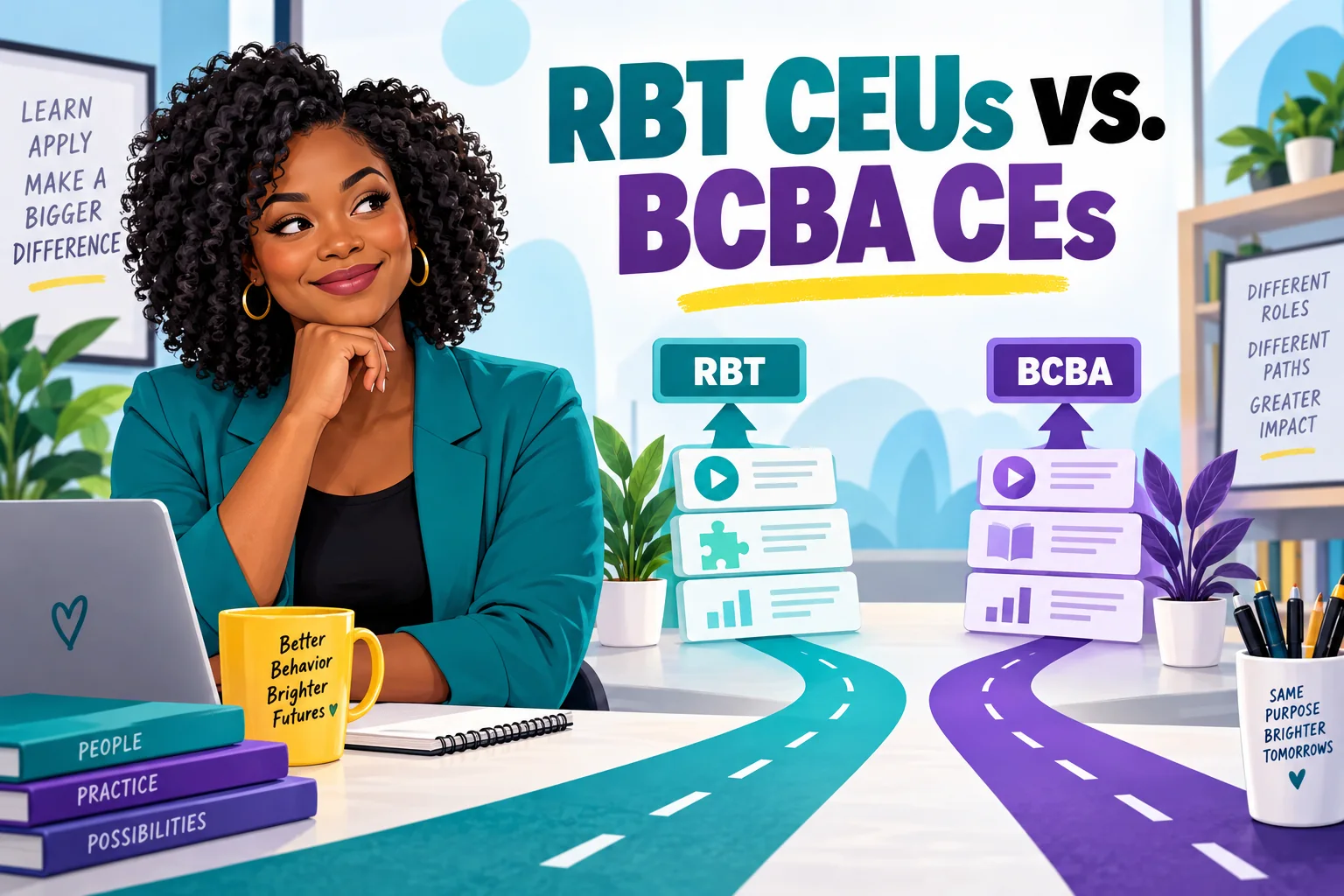 07
RBT PDUs and BCBA CEUs serve different credentials. Here’s what counts, what does not, and how to choose the right professional development.
Read article → 08
Your watch history is data. Use that familiar idea to understand frequency, duration, latency, interval recording, and more.
Read article →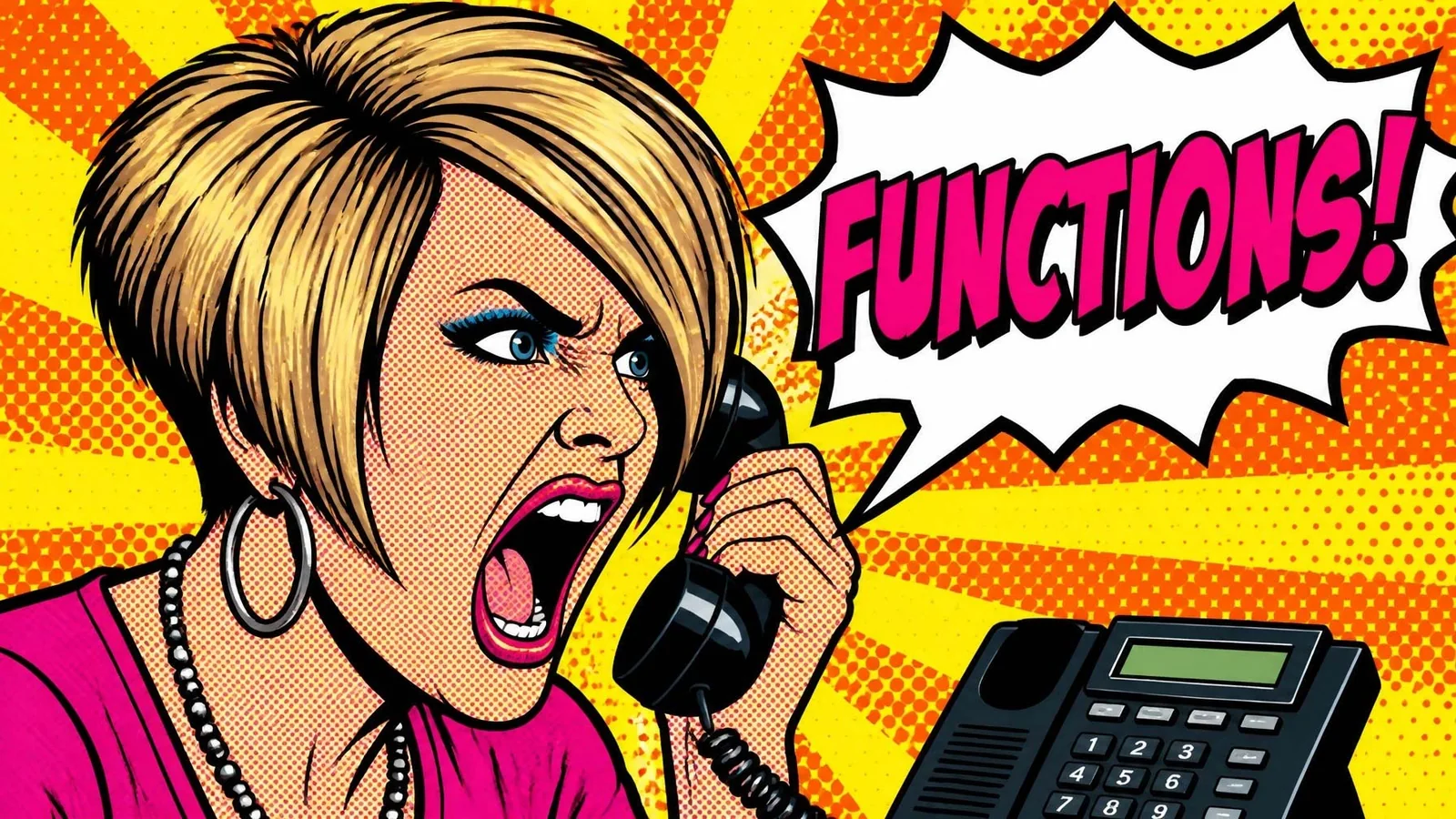 09
What can viral ‘Karen’ videos teach us about the functions of behavior? Everything—if we stop analyzing the label and start analyzing the payoff.
Read article → 10
Get a clear look at the 2026 requirements—from the 40-hour training and competency assessment through the application and RBT® exam.
Read article →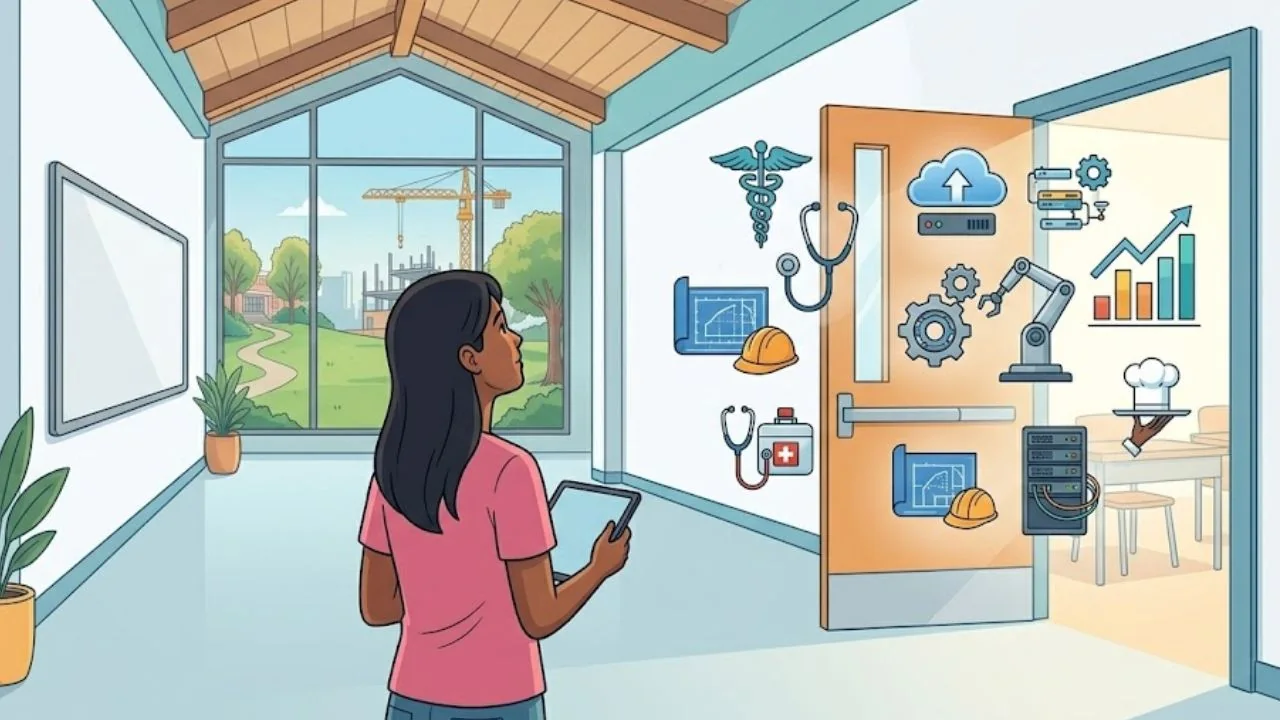 11
See how schools can turn a senior-year career pathway into an employer-recognized behavior technician credential—and a real next step after graduation.
Read article → 12
Learn what behavior technicians actually do, why the field needs career changers, and how to begin training without going back to school for four years.
Read article → 13
Understand what the required 40-hour training covers, how the RBT®, ABAT®, and IBT® pathways differ, and what comes after hour forty.
Read article →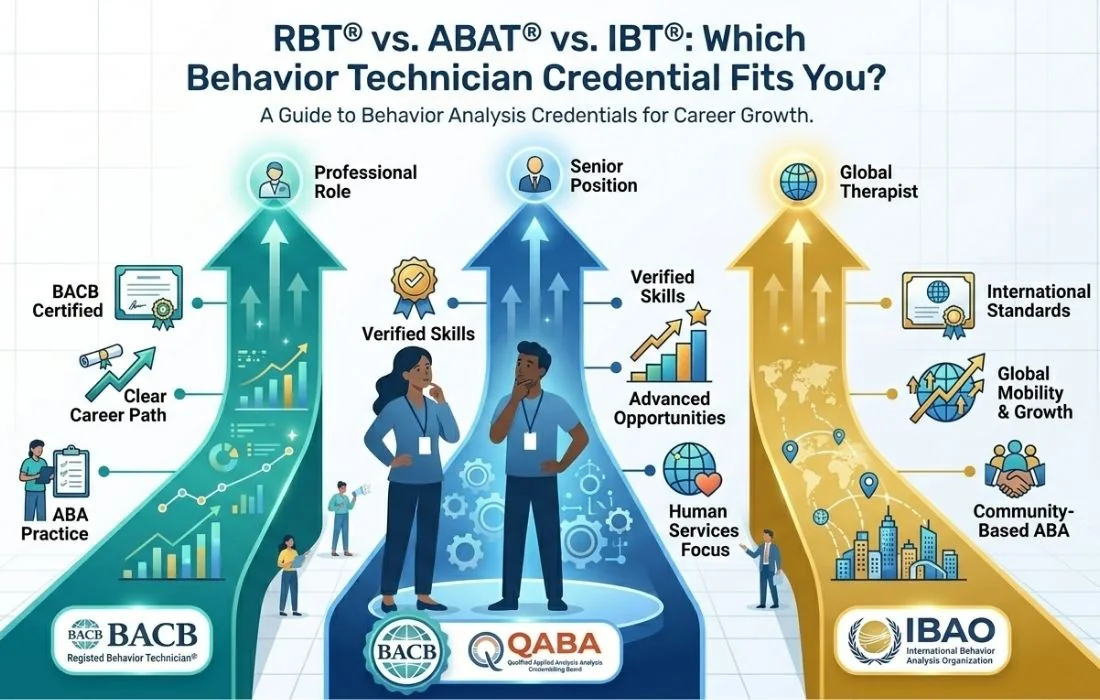 14
Compare all three entry-level behavior technician credentials and choose the pathway that fits your location, employer requirements, and career goals.
Read article → 15
Your caregiving experience is not wasted. See how the patience, observation, and calm you built as a CNA can transfer directly into ABA work.
Read article →NO DAILY INBOX NONSENSE
New articles, new courses, credential updates, and practical tools for the people doing the work.
Join the OTB list →